
Chew, Chew, Chew & Spit, Spit, Spit
Texians of all ages and social classes indulged in the vice of tobacco. No other iniquity provoked more disgust from foreign visitors or prompted more censure. Citizens of the Texas Republic enjoyed the “noxious weed” in all its forms. They smoked it, eniffed it, dipped it, and chewed it. Visitors found this last form especially odious. Arriving at a Houston City hotel in 1846, German traveler Ferdinand Roemer remarked that its patrons were “continually expectorating tobacco juice.” The practice also repelled Irish diplomat Francis C. Sheridan, who recounted, “High & low, rich & poor, young & old chew, chew, chew & spit, spit spit all the blessed day & most of the night.”
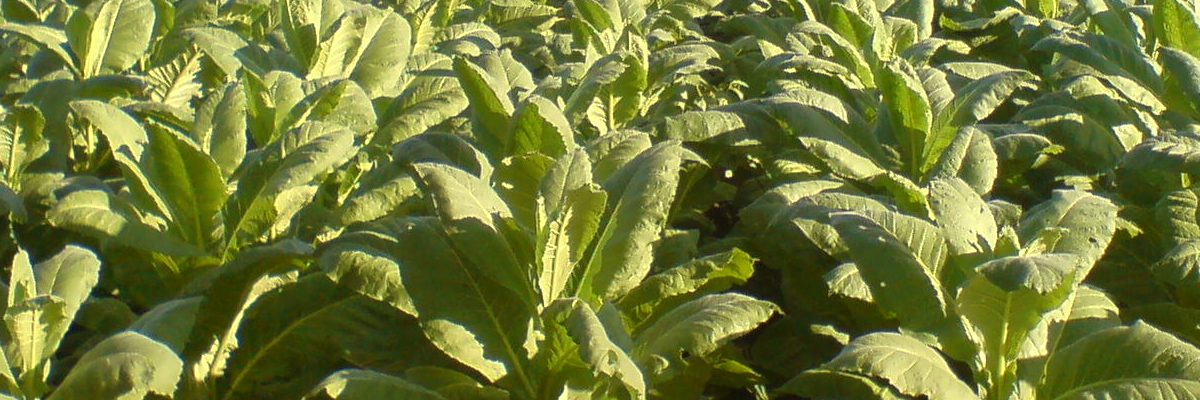
The unsavory habit was by no means unique to Texas. Along with their long rifles and hoe cakes, Southern immigrants brought their tobacco with them. Back in Tennessee, Congressman David Crockett considered the brown leaf an essential ingredient of his political campaigns. As he explained:
I [had] me a large buckskin hunting-shirt made, with a couple of pockets holding about a peck each; and in one I would carry a great big twist of tobacco, and in the other my bottle of liquor; for I knowed when I met a man and offered him a dram, he would throw out his quid of tobacco to take one, and after he had taken his horn I would out with my twist and give him another chaw. And in this way he would not be worse off than when I found him; I would be sure to leave him in a first-rate good humor.
In 1836, Friedrich W. von Wrede traveled from Germany to settle in Texas. During the journey. he had the opportunity to travel on a U.S. steamboat. The technology impressed him, but the behavior of his fellow passengers left him horrified. As he told it:
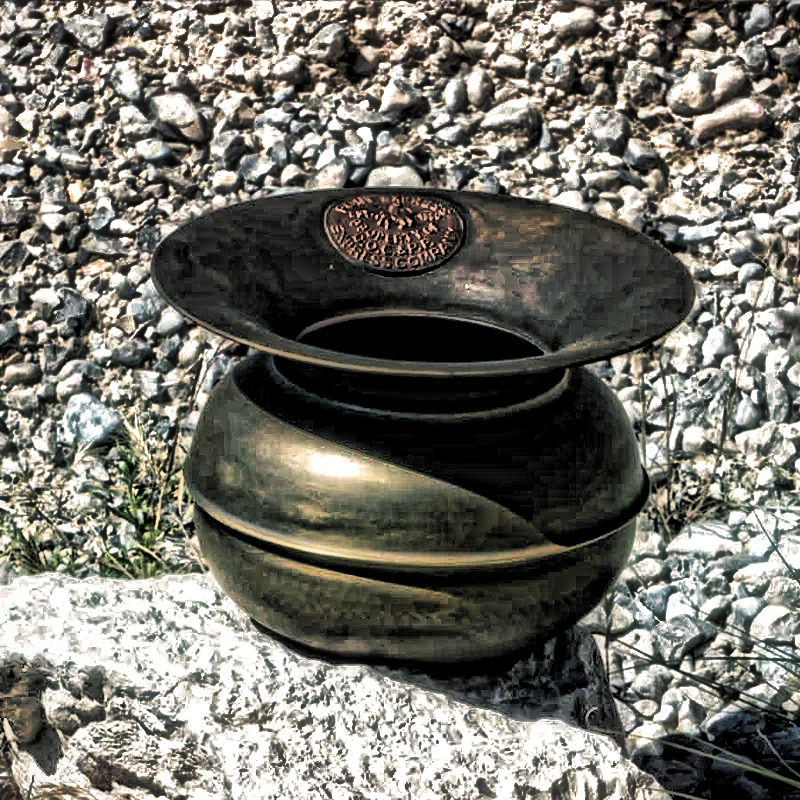
The floor [of the vessel] is covered with carpets which at one time must have had colorful patterns, but now only a hard brown crust can be seen which was formed by the disgusting habit of spitting by passengers. Spittoons are placed in every corner of the cabin, but seldom does a gentleman make the effort to direct the squirt of brow juice from his mouth toward these. The Americans are so used to this bad habit that they do not realize that this may weem very loathsome to a foreigner, confirming the old saying that all which is called disgusting has become so by mutual consent.
English novelist and travel writer, Matilda Houstoun visited the Texas Republic and not only observed the filthy cycle of chewing and spitting, but offered a remedy to it. She counseled Texian ladies to,
“Rise up one and all and say to their husbands, their brothers, and their lovers, “Cast away that lump of tobacco, which disfigures your appearance, and renders your voice and manner of speaking ridiculous; I will have no chewing. I will have no spitting. If you must smoke, do it in moderation, and with propriety, but let our floors, our hearths, be secure from pollution.”

Houstoun would have been shocked to learn that many Texian women also indulged. Chappell Hill resisdent, John Washington Lockhart described an assembly of local women after church services: “The elderly ones would draw their pipes from the long calico bag and have a good smoke, while the younger set would draw from their dress pocket the box and brush and have a social dip.” English chronicler N. Doran Maillard confirmed that Texas women favored wither “the pipe or the swab,” and provided instruction regarding the use of the latter.
The “swab” is a piece of soft wood about three inches long, which they chew at one end until it forms a brush, then dipping it into a small bottle of brown rappee snuff, which they carry about them for the purpose of cleaning their teeth; this operation being performed, the “swab” is placed on one side of the mouth, while the pipe sometimes takes the other.
Sheridan recalled that Texian parents even initiated their children to the toxic ritual. On Galveston island, he saw a father training his two-year-old son in the “art of spitting”, whild “loudly applauding every successful effort of the precious prodiby.” The beaming sire seemed to believe hocking a brown stream one of the worthiest attainments of manhood. Most of his fellow Texians would have concurred.
Demonstrating enormous resolve President Sam Houston conquered his addiction to “ardent spirits” and even renounced profanity — at least, for the most part. Yet, even his wife Margaret would not curb his passion for the weed. His friend John Lockhart recalled how angry the president made his mother during one of his visits to their home. “Ol’ Sam Jacinto” spit tobacco juice all over the freshly swept floor of the front porch. As the indignant matron explained to her son, the distinguished guest could have just as easily spit over the porch rail and into the yard as on her clean floor.
Many of the republic’s plantation owners raised tobacco alongside their cotton. Although the soil produced a pleasing product, it never took off as a profitable export crop. Most growers seemed to have tended a patch for their own use and that of their neighbors. During the 1840s, English travel writer William Bollaert visited one estate where he observed “segars of home manufacture being lighted” after dinner.
The “segar’s” stench may have affronted dainty noses, but in none of its forms, did the wicked leafe create as much exasperation as the chewing quid. Observing a session of the Texas Congress, one guest commented: “The way the members were chewing the Tobacco & squirting was a sin to see.” Even church houses fell victim to the spew of brown juice. It became so unpleasant, that one Austin minister posted the following on his sanctuary door:
Tobacco in Church
Ye chewers of that noxious weed
Which grows in earth’s most cursed sod,
Be pleased to clean your filthy mouths
Outside the sacred House of God.
Throw out your “plug and Cavendish,”
Your “pig Tail,” “Twist,” and “Honey-dew,”
And not presume to spit upon
The pulpit, aisles, or in the pew.
Did the notice persuade his obstinate flock? God only knows.